Jade History – A Quick Look at the Green Stone’s Past
Ever wondered why jade has such a strong pull on people? It’s more than just a pretty green stone. From ancient burial sites to today’s luxury markets, jade has been a big deal for thousands of years. In this guide we’ll break down the main chapters of jade’s story, so you can see why it still matters.
Where Jade Came From
First off, jade isn’t one mineral. It’s actually two: nephrite and jadeite. Nephrite shows up in places like China, New Zealand, and Russia, while jadeite is found mainly in Myanmar. The earliest jade objects date back to about 7000 BC in what is now China’s Yangshao culture. People back then carved simple beads and tools, treating jade like a tough, lasting material.
When you move forward to the Shang and Zhou dynasties, jade becomes a status symbol. Rulers had jade swords, ritual blades, and burial suits made of tiny jade plates. The belief was that jade could protect the dead and help them reach the afterlife. That idea spread across East Asia, turning jade into a spiritual and political badge of honor.
How Jade Shaped Cultures
In Mesoamerica, the Maya and Olmec also loved jade. They used it for masks, jewelry, and even the eyes of stone statues. For them, jade meant fertility, rain, and the power of the gods. The stone’s green hue matched the vegetation they depended on, so it fit perfectly into their myths.
Fast forward to the 18th‑century European craze. Explorers brought back jade objects, and the upper class started collecting them for curiosity cabinets. At the same time, the Chinese market was booming because jade could be carved into intricate designs that showed off a craftsman’s skill.
Today, jade remains popular in fashion, interiors, and even in wellness circles. Some people still believe it carries calming energy, though there’s no scientific proof. What’s real is that jade’s durability makes it a lasting choice for rings, pendants, and art pieces.
So, what can you take away? If you’re buying jade, think about the type – nephrite is usually tougher, jadeite often has brighter colors. Look for a trusted seller who knows the stone’s origin. A good piece will feel cool to the touch, have even color, and no cracks.
That’s the short version of jade history: a stone that travelled from ancient villages to modern boutiques, gaining meaning in every culture it touched. Knowing the backstory helps you appreciate its beauty and makes you a smarter shopper.
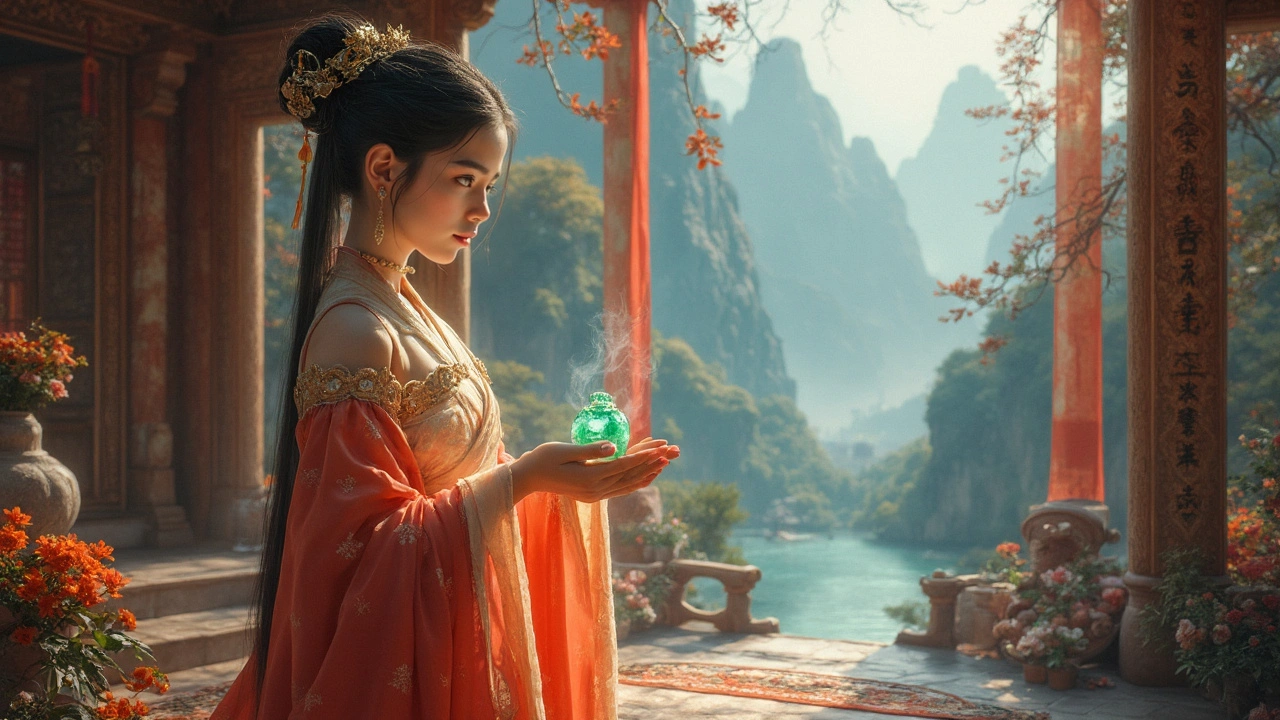
Understanding Jade Escort: A Close Look at This Intriguing Practice
Jade escort is a topic that intertwines history, culture, and the mystic charm of gemstones. Delve into the world of jade and its role in various escort traditions. Discover the qualities that make jade unique and the significance it holds in different cultures. This article provides a comprehensive insight, shedding light on jade's historical significance and its contemporary applications.
Keep Reading